Top 10 Chicken Recipes Top 10 Chicken Recipes
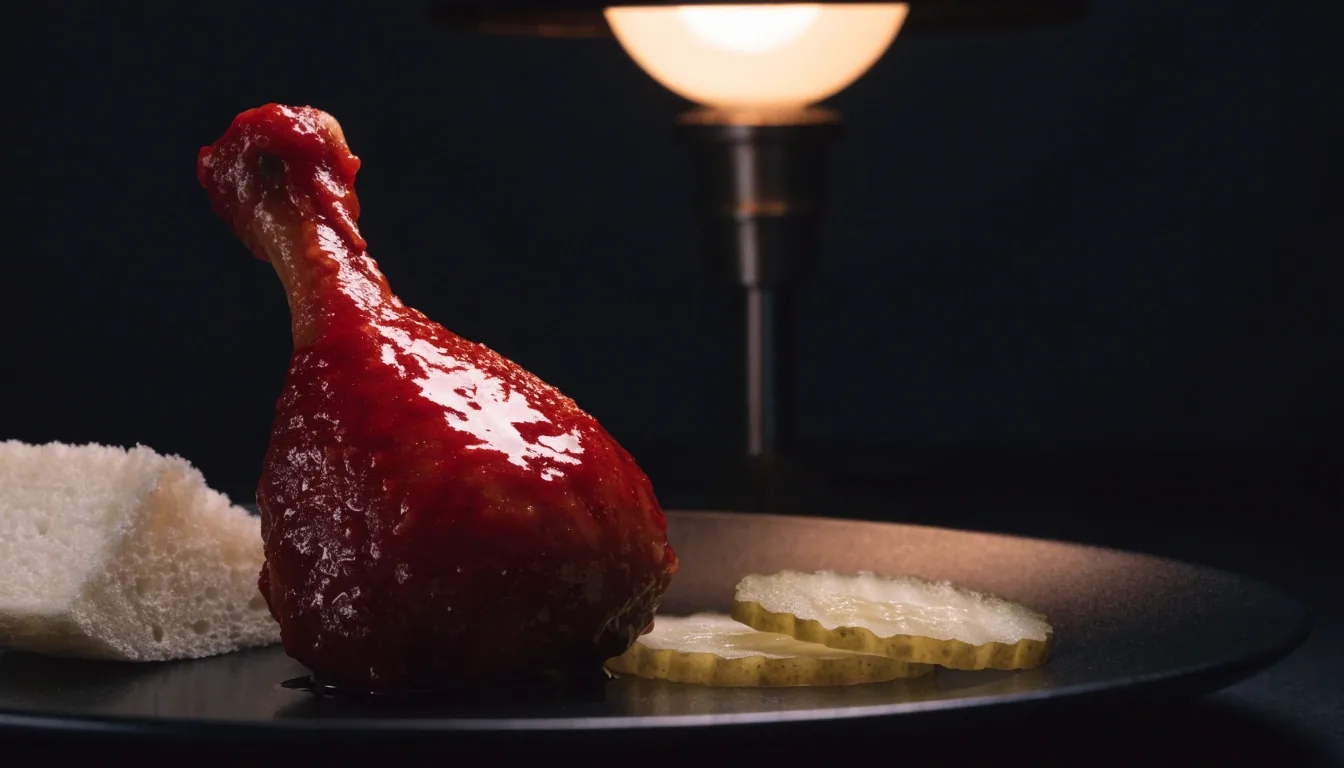
Nashville hot chicken thigh with red cayenne oil coating on a matte plate under a warm lamp

Heat guide · four levels, mild to Nashville hot

Hot chicken styles and how hot they get

On a menu, hot can mean a gentle paprika warmth or a cayenne dunk that clears the room. Here is the full range, from Nashville hot to milder copycat versions, so you can match a heat level to the people at your table.

Nashville hot, in plain terms

Nashville hot chicken starts as fried chicken, then gets a coating of cayenne-forward oil or butter, often with brown sugar and a little of the frying oil. The result is glossy, red, and genuinely spicy. It is served over white bread with pickles, which soak up some of the heat. The bread is part of the dish, not a garnish.

That bread does real work. It catches the oil that slides off the crust, so the heat lands on your tongue instead of pooling on the plate. Pickles cut through the fa. If you order it out or make it at home, treat the two as part of the recipe and not as something to push aside.

Cut Thigh or breast Method Fried, then sauced Heat Cayenne-forward
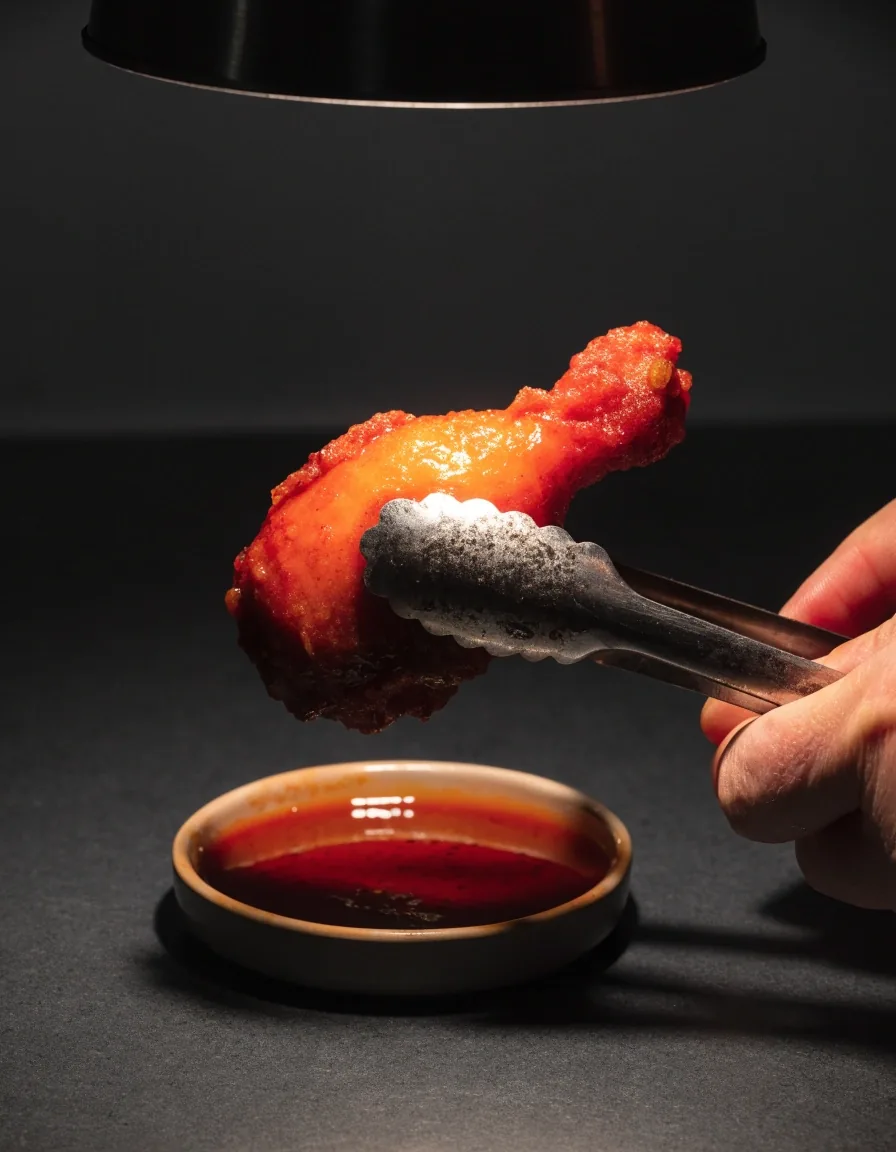
Fried chicken thigh being coated in cayenne oil with tongs under a warm lamp

The coating goes on after the fry

Warm cayenne, brown sugar, paprika, garlic powder, and a splash of the frying oil in a small pan, then brush or dunk the fried chicken. The sugar balances the cayenne and helps the coating cling. Do this after frying, not before, or the coating burns.

Mild to medium: where most tables land

Most people do better with a medium heat than a full Nashville dunk. A light cayenne butter or a paprika-based rub gives warmth without overwhelming the breading. The goal is a dish everyone can eat, not a test of nerve.

Mild

Paprika and a little garlic powder, no cayenne. You taste the crust and the seasoning, not burn. Good for kids, for a first try, and for anyone who wants the crunch without the sweat.

Medium

A light cayenne butter or a spiced rub with a small amount of cayenne. Warmth builds as you eat and sits at the back of the throat. This is the level a mixed table usually settles on.

Hot

A real cayenne coating with sugar to round it out. Your lips tingle and a cold drink starts to matter. Still balanced enough that you can taste the chicken underneath the heat.

Nashville hot

The full cayenne dunk, glossy and red. Heat arrives fast and lingers. Serve it with bread and pickles in reach, and keep a creamy dip nearby for anyone who wants to cool down between bites.

If you are feeding a mixed group, sauce half the batch and leave the rest plain. That way nobody has to skip the dish, and the people who want more heat can add it themselves from a bowl on the side.

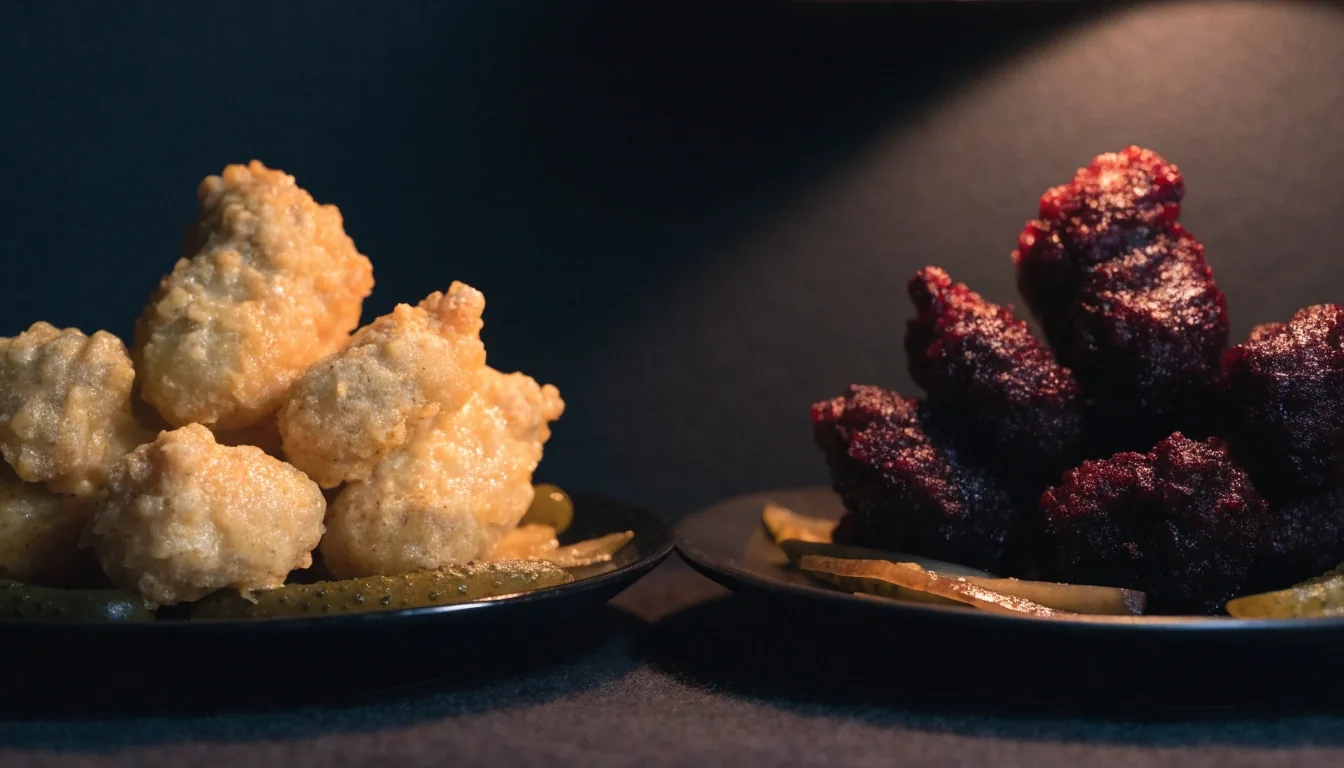
Two finished fried chicken plates side by side, one lightly spiced and one deep red with cayenne oil

Two plates, one lamp, two different heats

A light cayenne butter on the left, a full cayenne oil dunk on the right. Same fry, same breading, same bread and pickles. The only difference is what goes on after the chicken leaves the oil.

Copycat hot chicken at home

A home version usually means fried chicken plus a spiced oil, which is close enough to the original method. The differences come down to the breading and the oil. A thin, crisp coating holds the sauce better than a thick one, because there is less soft batter underneath to turn to paste.

Fry in small batches so the coating sets before you sauce it. If you crowd the pan, the oil temperature drops, the crust steams, and the finished chicken goes soft the moment the sauce hits it. Let each piece drain on a rack for a minute, then coat it while it is still hot enough to soak up the oil but dry enough to stay crisp.

Start the cayenne lower than you think you need. You can always add more heat to the oil, but you cannot take it out of the chicken. Taste the finished oil on a scrap of bread before you commit the whole batch.

What changes between the two

Breading Thin and crisp holds sauce better
Sauce Cayenne oil or butter, applied hot
Timing Sauce right after draining
Batch size Small, so the oil stays hot

Spicy fried chicken beyond Nashville

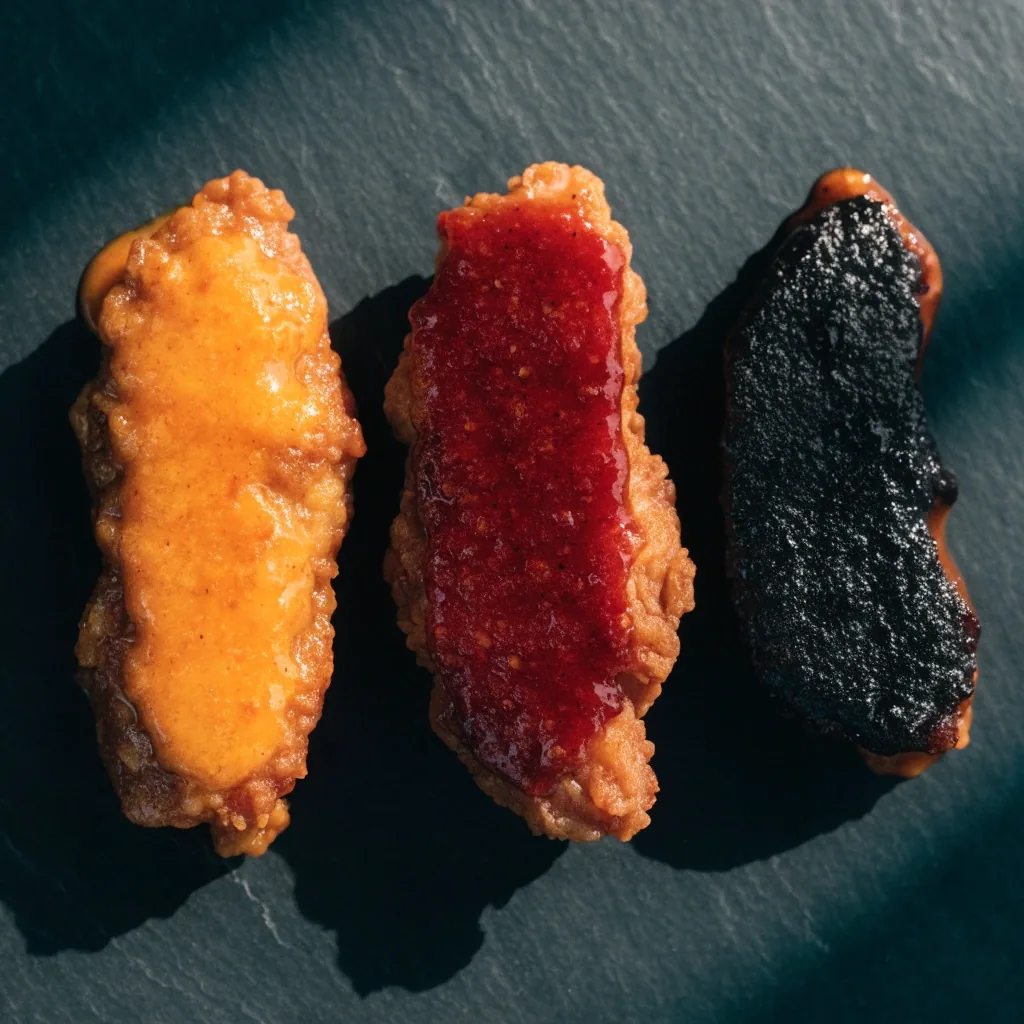
Cayenne butter is one route; others use chili oil, gochujang, or a vinegar-based hot sauce tossed with the fried pieces. Each brings a different kind of heat, and the choice changes the whole plate even when the fry is identical.

Vinegar-based sauces are sharper and thinner, so they soak in fast and taste bright. Chili pastes are thicker and sweeter, and they sit on the crust rather than inside it. The breading and the fry stay the same; only the finish moves.

Fry Unchanged Finish Oil, paste, or vinegar
Three bowls of spicy chicken coatings: cayenne butter, chili paste, and vinegar-based hot sauce

Matching heat to the table

Mild Set aside unsauced pieces before you coat the rest, especially if kids are eating.
Medium Sauce half the batch and leave the rest plain so nobody has to skip the dish.
Hot Keep the hottest sauce on the side and let people add it themselves.
Nashville hot Offer a creamy dip like ranch or a plain biscuit to reset the palate between bites.

Four labels cover almost every plate: mild, medium, hot, and Nashville hot. If you are cooking for a group, the side bowl matters as much as the coating. People who want more heat will take it, and the people who do not will still finish their chicken.

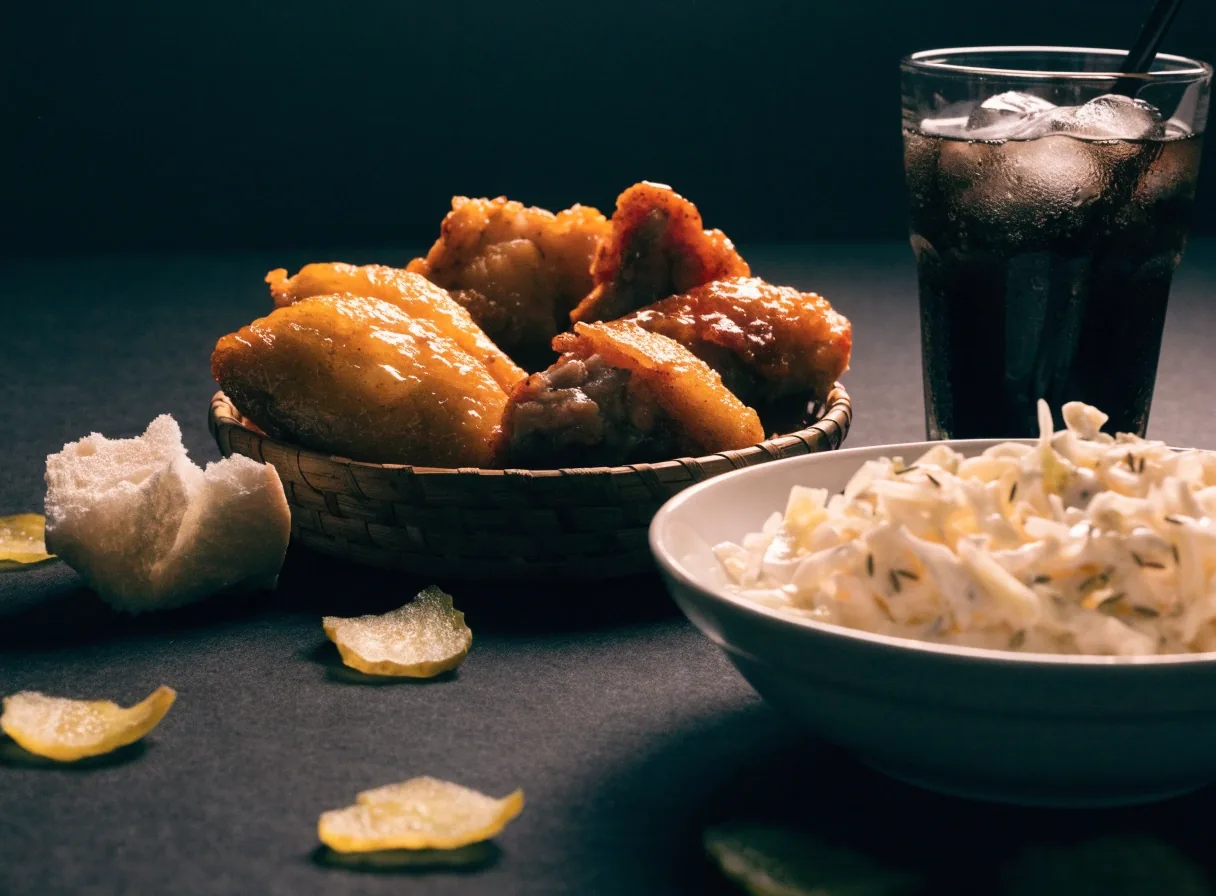
Hot chicken plate with white bread, pickle chips, creamy slaw, and a cold drink on dark felt

What to serve with hot chicken

White bread, pickles, and a creamy slaw are the classic pairing. Cold drinks help more than water, and a dairy-based dip cools the capsaicin better than a water-based one. If you are serving a crowd, keep the bread and pickles within reach so people can build their own plate.

A plain biscuit does the same job as the bread slice: something soft and neutral to reset your mouth before the next bite. Set out more than you think you need, because the bread disappears first.

When heat goes wrong

Over-saucing is the usual mistake: too much oil makes the breading soggy and the heat uneven. Start with less and add. If the coating tastes harsh rather than warm, the cayenne was not balanced with sugar or salt. And if the chicken was fried too far ahead, the sauce has nothing crisp to sit on.

My coating tastes harsh. What went wrong? Open

Harsh usually means the cayenne was not balanced. Brown sugar softens the edge, and salt makes the whole coating taste rounder instead of hot for its own sake. Add a pinch of each to the warm oil, taste it on a scrap of bread, and adjust before you coat the chicken.

The breading went soggy as soon as I sauced it. Why? Open

Too much oil, or sauce on a piece that had already cooled. Drain each piece on a rack for a minute, then coat it while it is still hot. Use less oil than looks right at first; you can brush on a second pass once you see how much the crust absorbs.

How do I keep a group happy with one batch? Open

Fry one batch, then split it before saucing. Coat half at a medium level, leave the rest plain, and put the hottest oil in a bowl on the side. That covers mild, medium, hot, and Nashville hot without cooking four separate meals.