
Editorial inbox Weekdays 9–6 CT
Contact the Recipe Editors
Send a recipe question, a correction, or a collaboration idea. Messages go to the editorial team in Chicago and a person reads every one of them.
What to write about
Recipe questions are the most common message we get. Corrections are just as welcome, especially about temperatures and times. Collaboration ideas from food writers, photographers, and home cooks are fine to send too.
A recipe question
A time that ran long, a breading that would not crisp, a swap you are unsure about. Name the recipe and we can answer the exact step.
A correction
If a temperature or a cooking time did not match what happened in your kitchen, tell us. Corrections that check out get folded into the recipe entries.
A collaboration idea
Food writers, photographers, and brands with a relevant project can describe what they have in mind and include a link to look at.
How to send it
Use the form with your name, email, and message. Include the recipe or page you are asking about so the reply can be specific. If you are reporting a problem, tell us your oven or equipment type — that often explains the difference between two kitchens.
Helpful details to include
- The recipe name or the page you were reading
- Your oven type and whether it runs hot or cool
- Any substitution you made, and what changed
What happens after you send
A person reads it
Your message lands in the editorial inbox and is read by a member of the team, not sorted by an automated system.
A reply in a few days
Questions that need an answer get one within a few business days. Short confirmations can come sooner.
Corrections go in the recipe
If your correction checks out, the temperature or time is updated on the recipe page so the next cook does not hit the same snag.
Nothing is auto-published
Suggestions are read, checked against the source, and edited before anything changes on the site.
Report a correction
If a temperature or a time on one of the recipes did not match what happened in your oven, tell us the recipe and what you saw. Corrections that check out get folded into the recipe entries, and the recipe page is updated so the next cook gets the right number.
You do not need to write it up formally. A short note with the recipe name and the exact line that looked wrong is enough — the team checks it against the source before anything changes.
Correction checklist
- The recipe name or the link you were reading
- The exact step, temperature, or time that looked off
- What happened in your kitchen instead
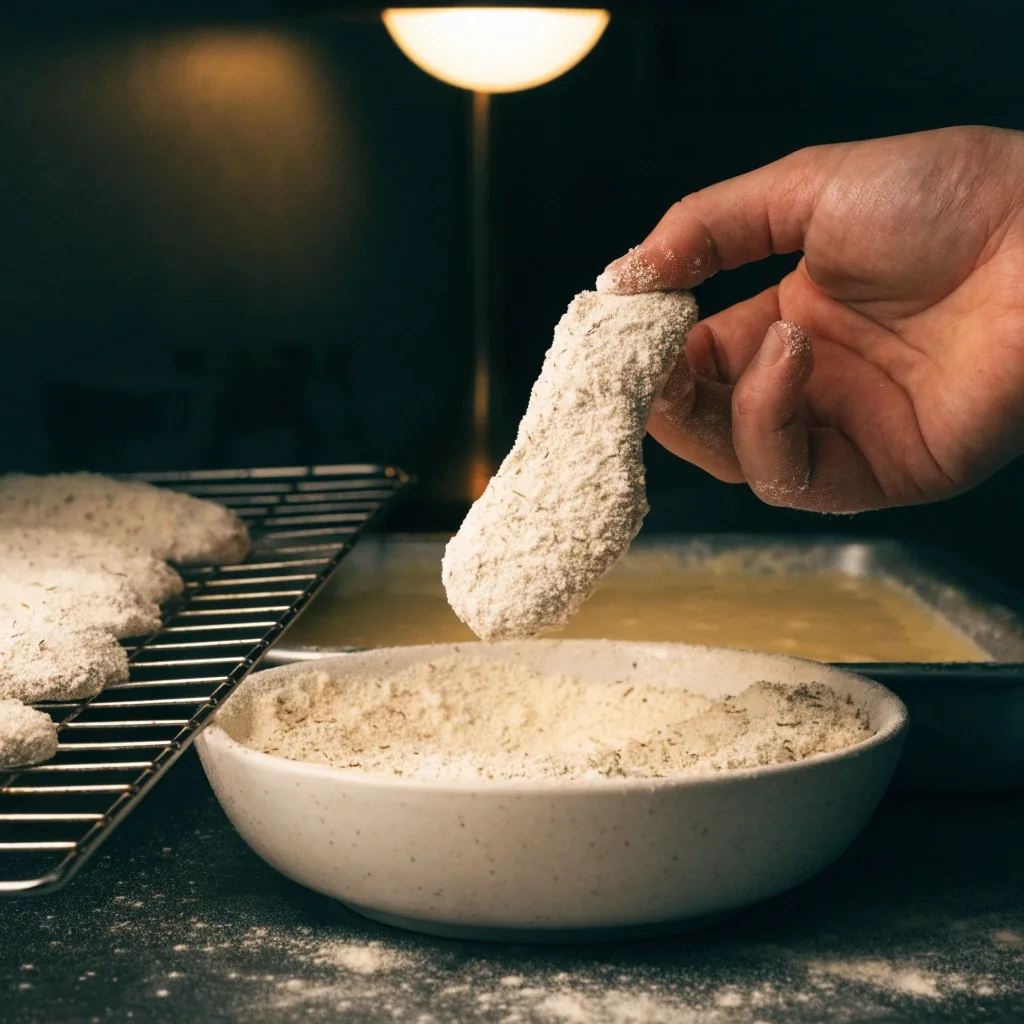
Most corrections we get are about a coating that stayed soft or an oven that ran hotter than the recipe expected. Both are useful to hear.
Location and hours
The team is based at 1250 N Milwaukee Ave, Chicago, IL 60622. Messages are reviewed on weekdays. If you are writing about a recipe you cooked over the weekend, that is fine — it will be read the next business day.
Reach the editorial team
- Address
- 1250 N Milwaukee Ave, Chicago, IL 60622, USA
- Phone
- +1-312-555-0472
- [email protected]
- Hours
- Monday–Friday: 9:00 AM – 6:00 PM
Saturday: 10:00 AM – 4:00 PM
Recipe questions we get often
The most common ones are about doneness temperatures, why a coating went soft, and how to scale a recipe for a crowd. Many of those are already covered on the home page and on the style pages. If your question is not answered there, send it and we will add it.
What temperature should chicken reach before it is done?
For a whole bird or a thick piece, the safe number is 165°F at the thickest point, away from bone. A tender or a thin fillet gets there faster than a thigh, so check the piece you are actually cooking rather than timing the whole tray by the biggest one.
Why did my coating come out soft?
Usually one of three things: the oil was not hot enough when the piece went in, the pieces sat after dredging and the coating absorbed moisture, or the tray was crowded so steam could not escape. Tell us your setup and we can point at which one it likely was.
How do I scale a recipe for a crowd?
Double the chicken and the seasoning, but not the cook time — cook in batches instead so each piece gets the same heat and the same space. The recipe pages note where a batch approach beats a bigger tray.
Where should I look first?
The style pages group dishes by method — crispy wings and tenders, baked and roasted, spicy and hot, and chicken styles from other countries. If you are reading about a dave hot chicken style dish, start on the spicy and hot page, then write in if something still does not add up.
Collaboration and press
If you are a food writer, photographer, or brand with a relevant project, describe what you have in mind and include a link to look at. We do not accept paid placements in the catalog, and we do not run affiliate offers. Editorial decisions stay with the team.
That means the dishes on this site are picked because they are worth cooking, not because someone paid for the spot. If your project fits that standard, we would like to hear about it.
Where to look next