
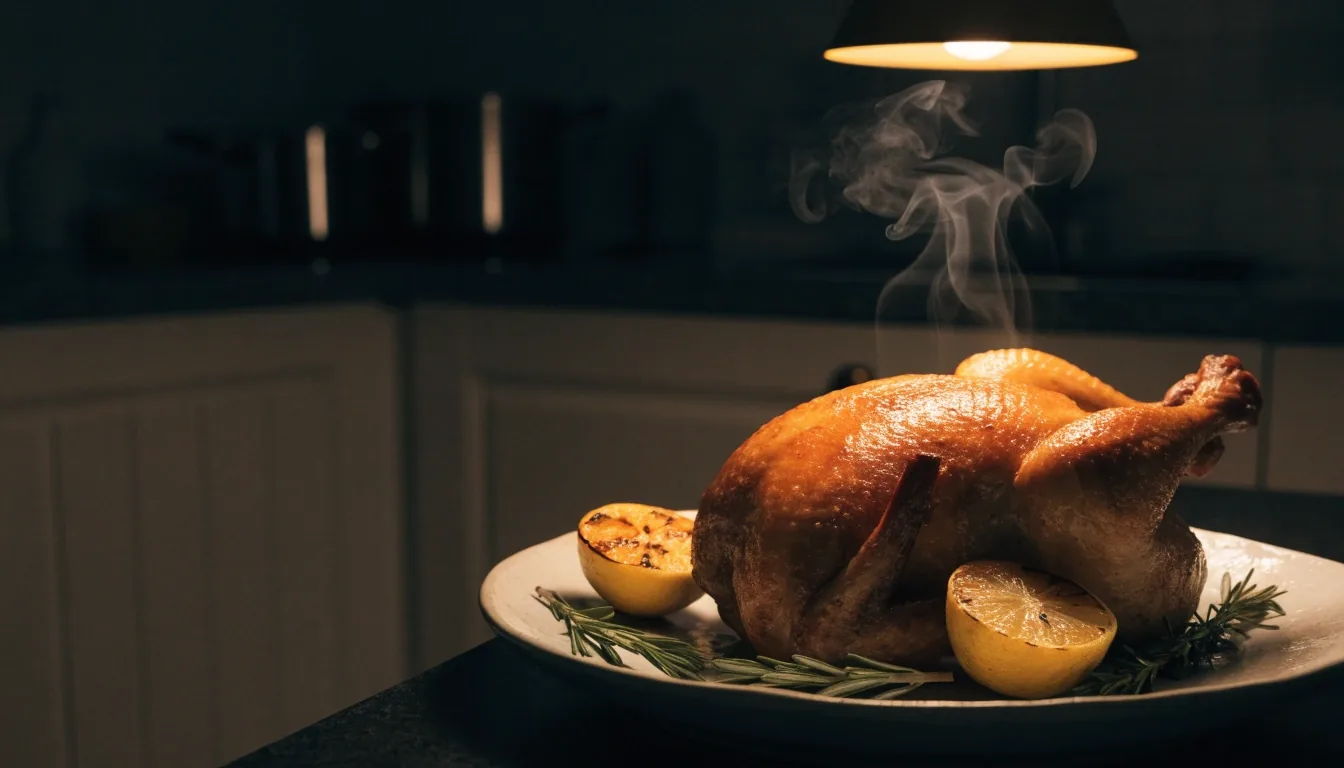
Oven guide 425°F methods Weeknight dinners
Baked and Roasted Chicken for Real Weeks
Oven chicken earns its place when it is fast enough for a Tuesday and good enough to reheat on Wednesday. Sheet-pan dinners, herb and citrus roasts, marinades, and meal-prep portions — with temperatures and times that hold up in a home oven.
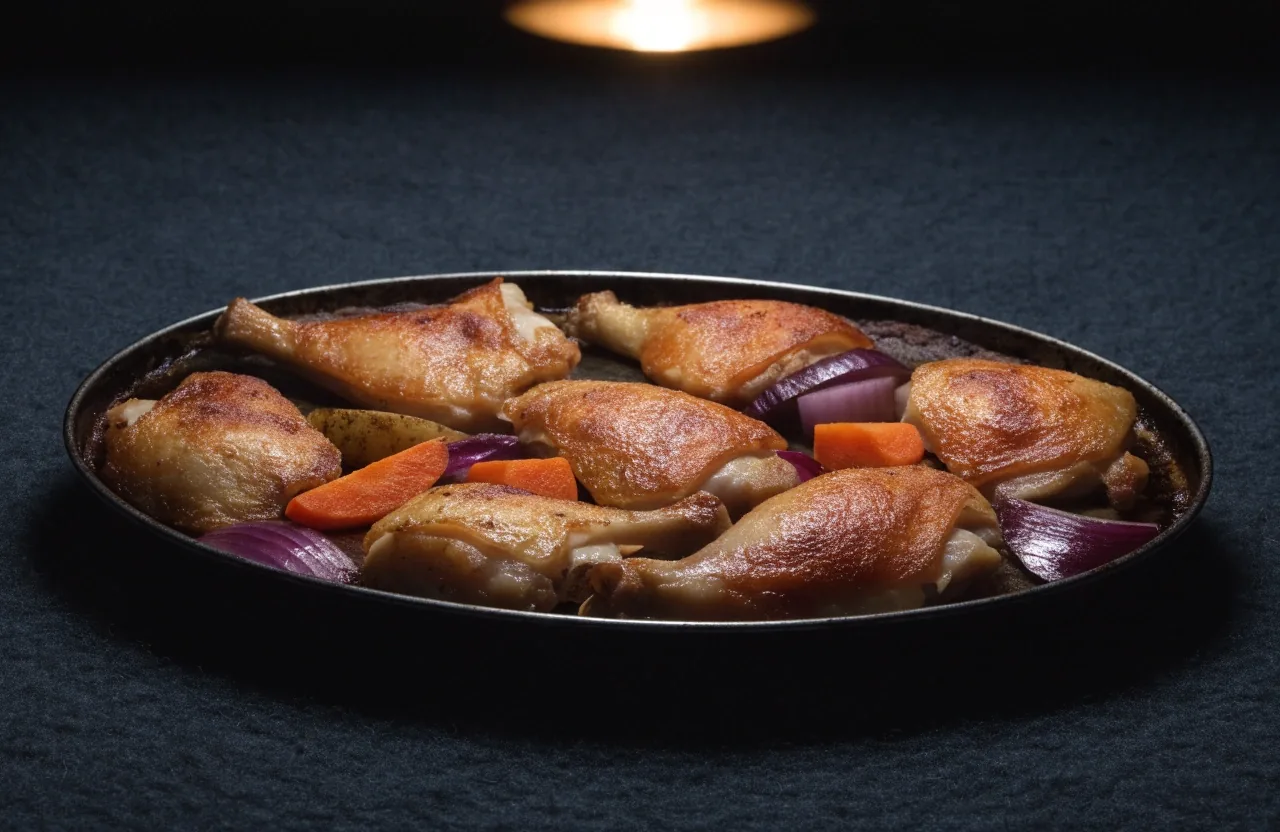
Sheet Pan Dinners in About 40 Minutes
A 425°F oven, bone-in thighs, and cut root vegetables on one pan is the fastest version of a real dinner. Give the vegetables a head start if they are dense, then add the chicken. Everything finishes around the same time.
One pan, one wash, and enough leftovers for lunch. Spread everything in a single layer — crowding steams the vegetables instead of browning them, and the chicken ends up pale where pieces overlap.
Oven425°F Dense veg head start10–15 min
Dark Meat vs. White Meat in the Oven
Thighs and legs tolerate a longer cook and stay juicy, which is why they dominate baked recipes. Breasts need a shorter time and a rest, or they go dry. If you are cooking both on one pan, start the dark meat first and add the breasts later.
A thermometer is the only reliable way to know when each is done — colour and juices tell you less than the number does. Pull dark meat at 175°F for a softer texture, breasts at 165°F, then rest both for five minutes before slicing so the juices settle back into the meat.
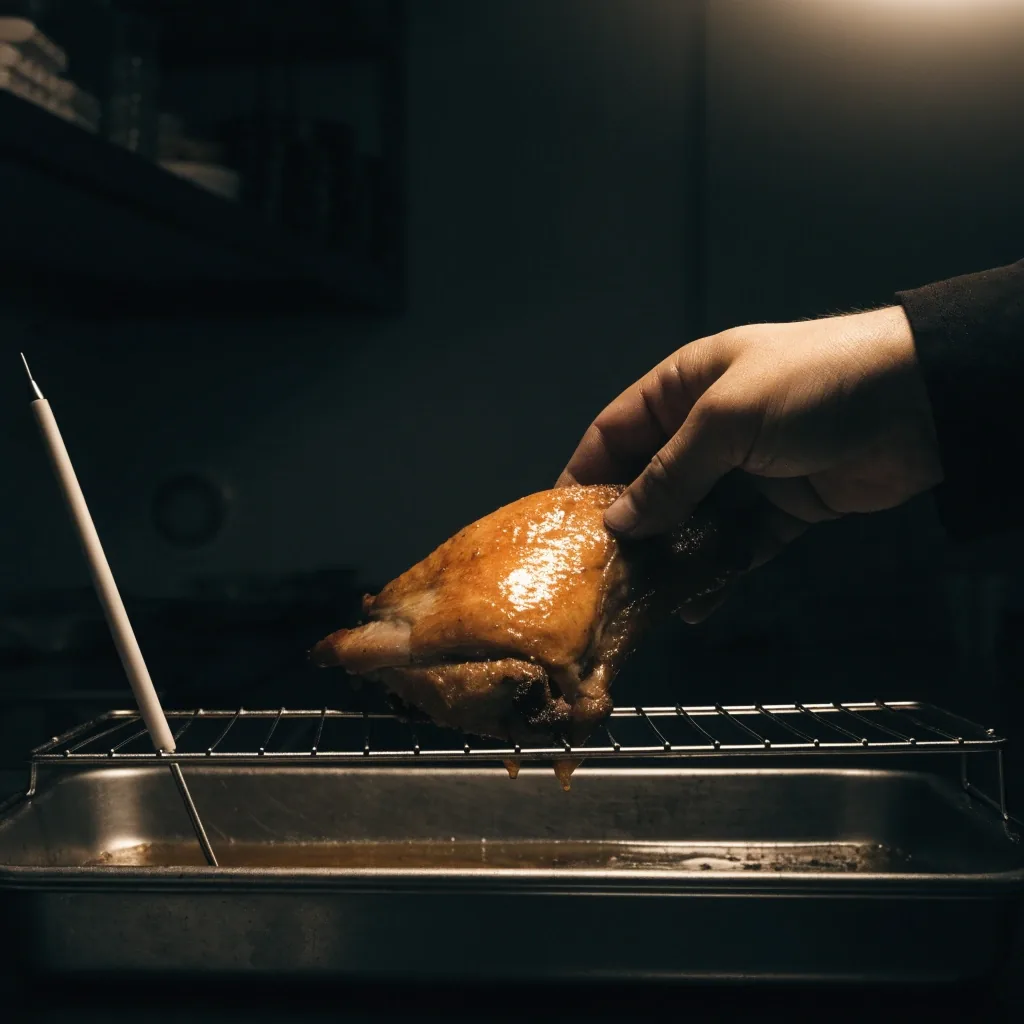
Thighs and legs175°F
Breast165°F
Rest before slicing5 min
Herb Rubs That Do the Work
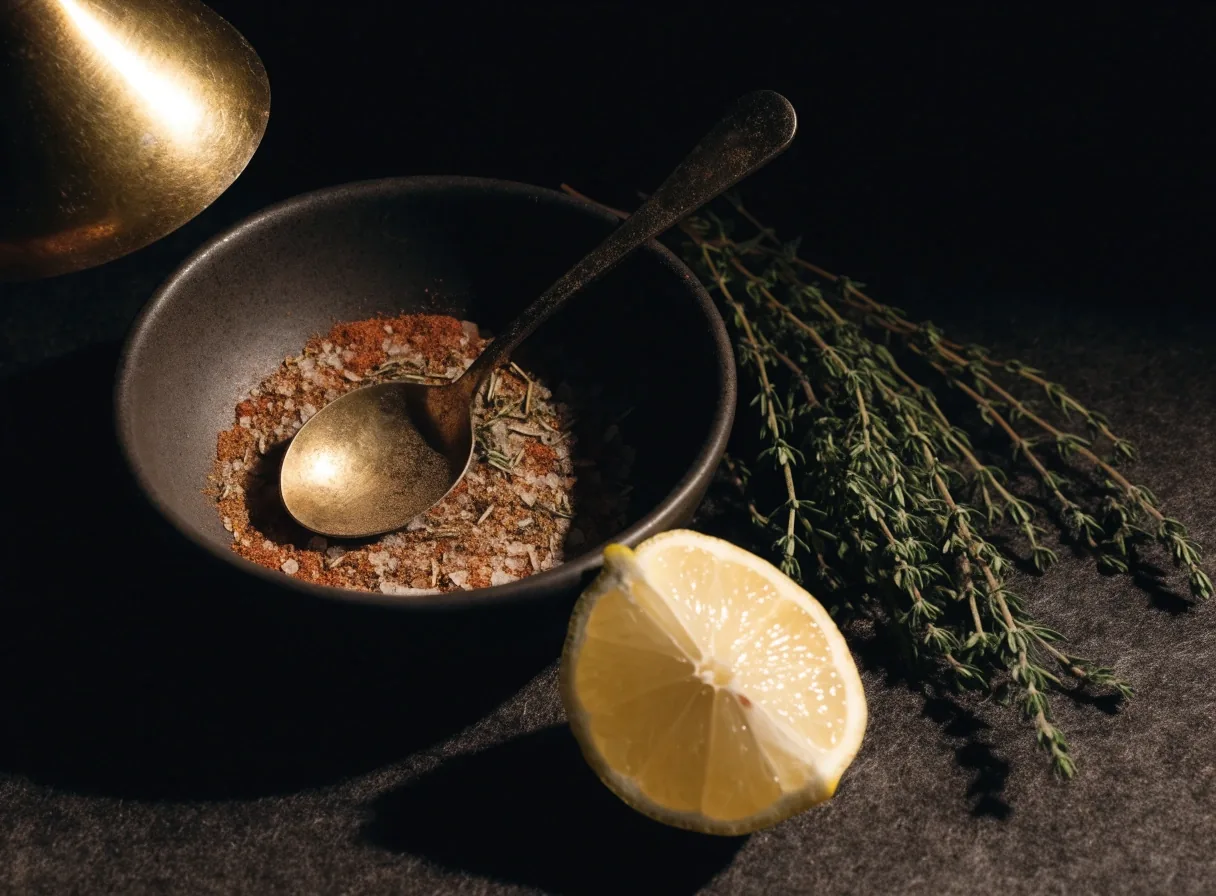
Paprika, garlic powder, thyme, and rosemary cover most roasted chicken, with salt doing more than any single herb. A rub applied an hour ahead penetrates further than one applied at the last minute.
For citrus, add lemon zest to the rub and lemon halves inside the cavity if you are roasting a whole bird. Keep it simple; three or four seasonings is enough. More herbs in the bowl rarely means more flavour on the plate — the salt is what carries the others in.
Mix the rub in a small bowl, then work it under the skin where you can reach it and over the skin everywhere else. A dry rub applied an hour ahead gives the salt time to move into the meat.
Marinades and Brines
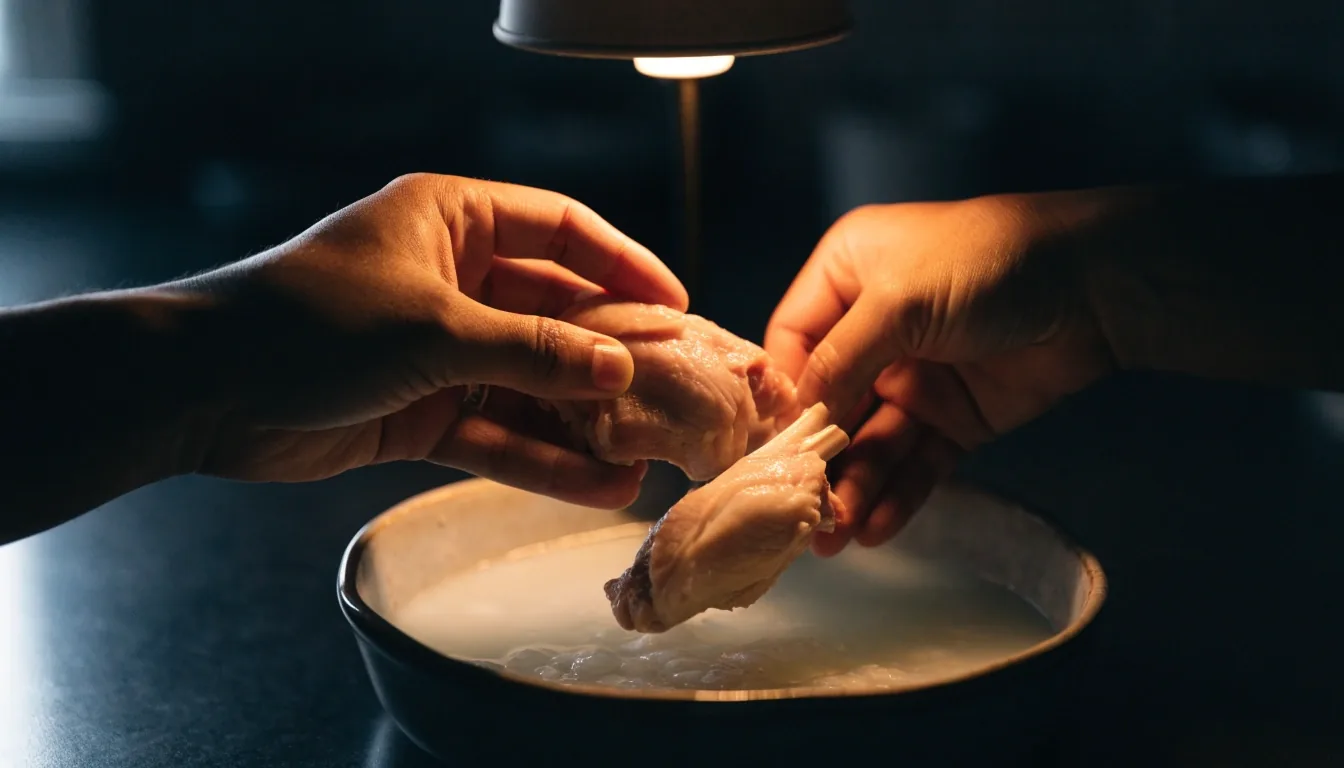
A saltwater brine or a buttermilk marinade improves moisture, especially for breasts. Two hours is enough for pieces; a whole bird wants longer and fridge space.
If you brine, pat the skin dry before roasting so it browns. Skip the brine if your seasoning blend is already salty — two salt sources on the same piece push it past the point where the herbs read at all.
Buttermilk marinade
Two hours for pieces; overnight for a whole bird.
Saltwater brine
Fridge space needed; pat dry before roasting.
Dry rub, no brine
The right call when the blend is already salty.
What a brine actually does
Salt water moves into the muscle and helps it hold moisture through a hot oven. That is the whole mechanism — no secret beyond time and salt concentration. A mild brine (about a tablespoon of salt per cup of water) works for pieces; keep the ratio steady and taste the seasoning blend before you add more salt to the surface.
Buttermilk does the same job through its acidity, and it leaves a slightly tangy edge that reads well against paprika and garlic. Either way, dry the surface before the chicken hits the pan — wet skin steams instead of browning.
Roasting a Whole Bird
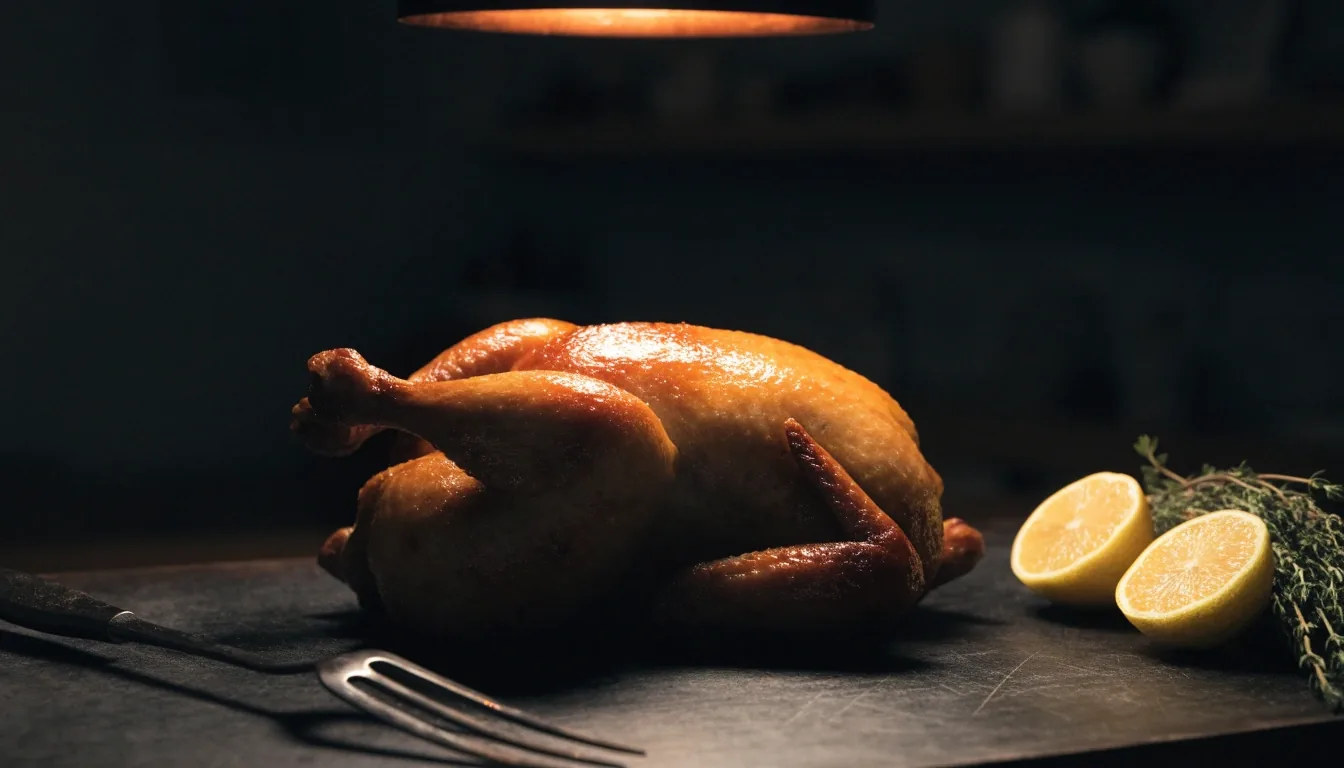
A whole chicken at 425°F takes roughly 60 to 75 minutes depending on size, and the breast should read 165°F. Rotate the pan once for even colour. Let it rest for 10 to 15 minutes before carving so the juices settle. Truss loosely or skip it; the bird does not need much handling.
Weigh the bird before you start — a three-pound chicken and a five-pound chicken are not the same cook. Take the temperature in the thickest part of the thigh without touching bone, and if the breast is ahead of the legs, tent it loosely with foil while the dark meat catches up.
Weeknight Timing That Works
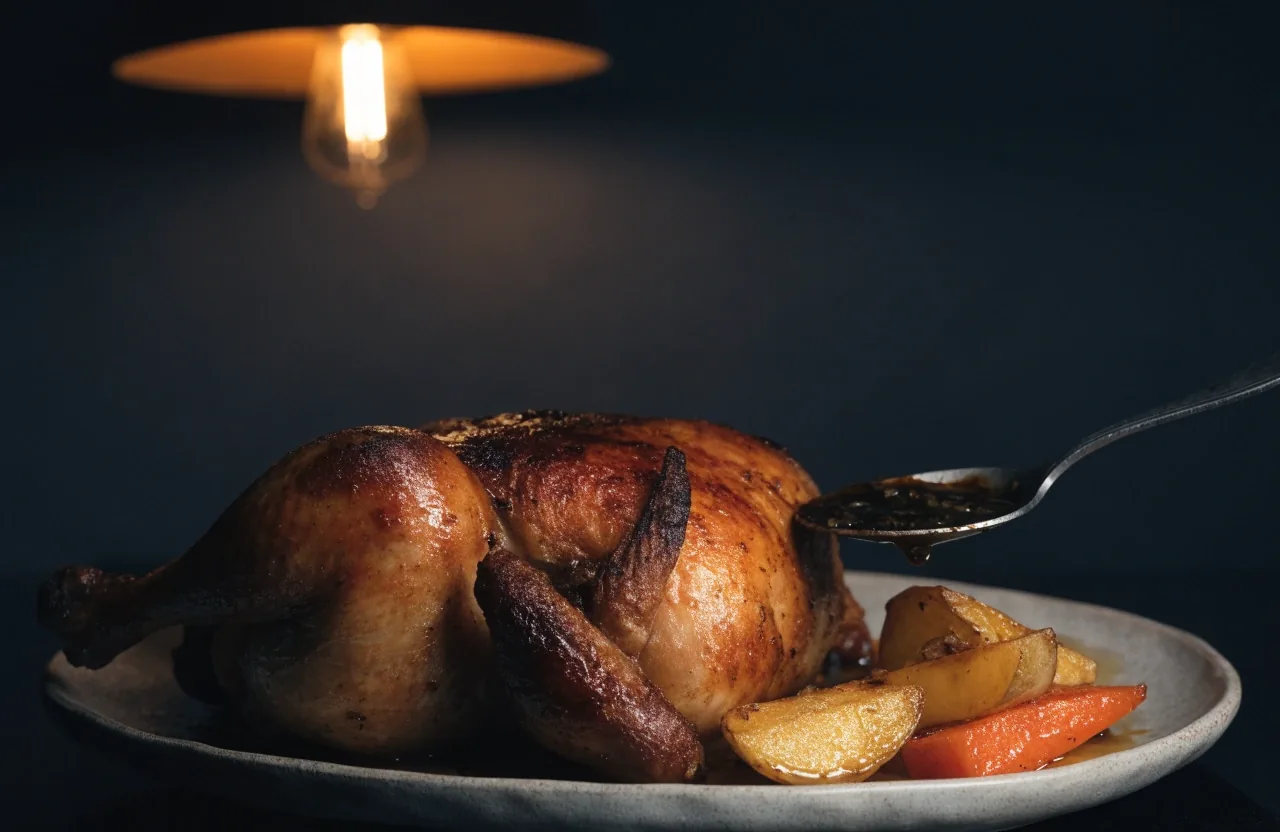
Start the oven before you prep. Season while it heats. Use a sheet pan for anything that fits, and a rack for skin-on pieces so the bottom does not steam. If you are short on time, cut the chicken into smaller pieces, which cooks faster and still browns.
A 425°F oven and a single layer solve most weeknight problems. Lay the plan out in that order — oven first, chicken second, vegetables wherever they fit — and dinner lands without a second pan to wash.
Keeping Skin Crisp
Dry the skin, salt it, and leave it uncovered in the fridge if you have time. Roast on a rack so air circulates underneath. Skip the foil tent during cooking; use it only if the top is browning too fast. Rest the bird uncovered so the skin does not steam under foil.
Vegetables That Cook Alongside
Potatoes, carrots, onions, and broccoli all work on the same pan, though broccoli goes in later so it does not burn. Dense vegetables benefit from a head start of 10 to 15 minutes. Toss everything in oil and salt so it browns instead of drying. What you put under the chicken also catches the drippings.
Single layer, always
Crowding is the most common reason a good sheet-pan dinner comes out grey and steamed. If the pan looks full, use two pans.
Meal Prep Without Sad Leftovers
Roast a batch of bone-in pieces on Sunday, cool them completely, and refrigerate within two hours. Portion with rice, greens, or roasted vegetables.
Roast, then cool completely
Spread pieces so steam escapes instead of trapping under the lid.
Portion while it is cool
Rice, greens, or roasted vegetables — match the sides to the batch.
Reheat gently, covered
Low oven, or a pan with a splash of stock. High microwave heat makes it tough.
Reheating is where most meal prep goes wrong. A covered pan at a low oven temperature brings the chicken back to serving warmth without driving out the moisture you spent the roast keeping in. If you are reheating in a microwave, use a lower power setting and cover the plate.
Oven questions we get most
Should I roast at 425°F or lower? +
425°F is a good default for sheet-pan dinners and whole birds — hot enough to brown the skin before the meat dries out. Lower temperatures suit larger cuts that need more time, but then you trade crisp skin for slower, gentler cooking.
Do I really need a thermometer? +
Yes, if you want to know when the chicken is done rather than guess. Colour and running juices vary with the cut and the seasoning, and a thermometer reading in the thickest part of the meat is the most reliable signal. Breasts read 165°F; thighs and legs are happier at 175°F.
Why is my roasted chicken dry? +
Usually the cook ran long or the meat went in at the wrong size. Bone-in pieces tolerate time better than boneless; a whole bird wants to be weighed before you set the timer. A brine or buttermilk marinade helps, but it does not rescue a chicken that stayed in the oven twenty minutes past done.
Can I prep this the night before? +
Yes — cut the vegetables, mix the rub, and brine or marinate the chicken the night before, then refrigerate. That turns a weeknight dinner into a thirty-minute assembly job. Keep the components separate so the vegetables do not pick up too much salt from the marinade.
Keep going from here
This page covers the oven side of the catalog. If you want a full week of dinners, start with the sheet-pan method above and build outward — the catalog has the fried and spicy styles when you want something louder.
Plan a meal-prep batch
Write down the oven temperature, the cut, and the time you actually used. Next week you will know whether your pan and your oven run fast or slow, and the batch gets easier the second time.
Monday–Friday: 9:00 AM – 6:00 PM
Saturday: 10:00 AM – 4:00 PM